

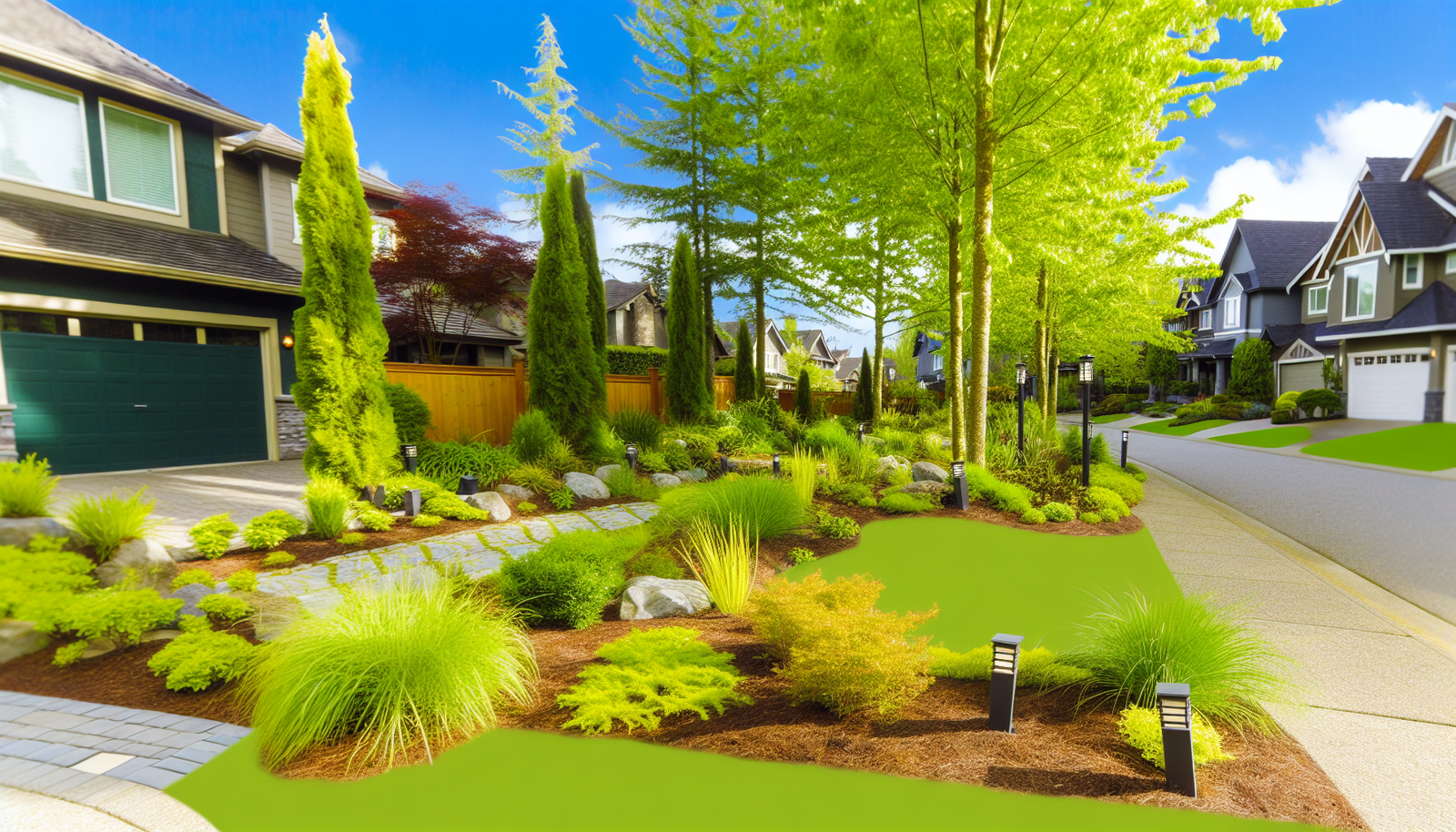
Landscaping is much more than just gardening—it’s the transformation of your outdoor environment through professional design, maintenance, and creativity. For homeowners and businesses seeking landscaping services nearby, understanding what landscaping truly means and what services are offered is essential. This guide explores everything from the definition and value of landscapes to selecting the ideal local landscaping experts for your needs.
Understanding Landscaping and Its Importance
Landscaping encompasses much more than the simple act of planting flowers or mowing a lawn. At its core, it represents a thoughtful transformation of an outdoor space, guided by the interplay between living elements like trees, shrubs, and flowers, and non-living, or abiotic, features such as terrain, pathways, rocks, and water bodies. These two elements are tied together by even more subtle, abstract components: the way lighting shapes mood at dusk, how shadows play across textures, and how seasonal weather patterns influence plant growth and visual appearance.
The importance of landscaping extends far beyond aesthetics. A well-designed landscape increases property value, often providing a high return on investment for homeowners. Carefully chosen plantings and structures create welcoming environments that add curb appeal, drawing positive attention to homes and neighborhoods. By designing spaces with both beauty and utility in mind, landscaping transforms underutilized yards into vibrant outdoor living areas for dining, recreation, or quiet relaxation.
Moreover, landscaping plays a crucial role in well-being. Thoughtful layouts encourage outdoor activity, while greenery has been shown to reduce stress and foster a sense of tranquility. Strategic plant placements can also improve microclimates, offering shade in summer and wind protection in winter, leading to increased energy efficiency for adjacent homes.
Communities also benefit when landscaping services leverage local expertise to create sustainable, environmentally-friendly outdoor spaces. Native plants require less irrigation and maintenance, supporting local pollinators and wildlife while reducing chemical usage. Outdoor lighting, chosen with care, can enhance safety and extend the enjoyment of spaces into the evening hours.
Ultimately, landscaping is a dynamic synthesis of living, non-living, and atmospheric elements, all working together to produce functional and visually striking environments. Its importance is felt in the way it connects people to nature, improves daily living, and shapes unique outdoor identities for properties and communities alike.
Exploring Diverse Landscapes and How They Influence Design
Every landscape is distinct, with its character shaped by a combination of geographic location, climate, and human activity. Understanding these layered influences is crucial when searching for “landscaping near me,” as the type of surrounding environment often dictates design choices and plant suitability. Urban landscapes, for instance, often contend with limited space, shadows from tall buildings, and challenging air quality. Here, landscape professionals may favor container gardens, vertical plantings, and hardy, pollution-tolerant species to create inviting microclimates and soften harsh city views.
In contrast, rural landscapes generally offer more space and a closer relationship to the native terrain, allowing for expansive lawns, naturalistic plant groupings, and the integration of heritage trees or meadows. Designers in these areas work with the existing topography, respecting the land’s natural slope and drainage patterns for both aesthetics and sustainability.
Coastal landscapes introduce elements such as salt spray, sandy soils, and strong winds. Landscaping services in these regions prioritize salt-tolerant and drought-resistant plants, blend dunes and native grasses for erosion control, and often employ natural stone or driftwood in hardscapes. Mountainous settings, meanwhile, present unique challenges like rocky soil, extreme cold, and dramatic elevation changes. Here, plans emphasize sturdy, cold-hardy plants, terracing, and native boulders interwoven into design for stability and visual harmony.
In agricultural zones, landscaping strategies frequently blend productive gardens—like orchards and vegetable beds—with functional windbreaks and pollinator-friendly plantings that support the area’s working identity. Across all these landscapes, the interplay between natural elements (soil, water, plants) and carefully chosen human-made materials (paths, walls, lighting) is calibrated to each site’s realities. Professional landscaping services leverage their familiarity with local conditions to produce cohesive, resilient outdoor spaces that feel both intentional and deeply connected to their surroundings.
The Range of Landscaping Services Available
When searching for “landscaping near me,” you’ll discover a robust selection of professional services designed to address every aspect of your outdoor environment. Local landscaping experts offer much more than just lawn care—they provide comprehensive solutions that bring landscapes to life and keep them thriving throughout the seasons.
At the foundation lies the design phase, where landscapers collaborate with property owners to develop tailored plans. This often includes site evaluation, 2D or 3D renderings, and plant selection that ensures cohesion with the surrounding architecture and ecological context. Once a design is finalized, installation services take center stage. These encompass planting beds, turf establishment, tree and shrub placement, and the construction of structural features. Hardscaping services are a major component, covering patios, stone pathways, retaining walls, decks, and fences. Professional hardscaping not only improves function and accessibility but transforms the aesthetic appeal of any property.
Water management is integral to effective landscaping. Qualified landscapers implement irrigation solutions—ranging from drip systems to automated sprinklers—to ensure plants receive appropriate hydration with minimal waste. Drainage management is equally important, as proper grading, French drains, and swales help prevent erosion and protect structures from water damage.
Lighting solutions, including low-voltage path lights, uplighting for trees, and accent illumination, extend the usability of outdoor spaces while enhancing security and ambiance. Seasonal and year-round property cleanup services keep outdoor areas pristine, taking care of leaf removal, pruning, edging, mulching, and debris clearance.
Most vital is ongoing landscape maintenance. This includes regular mowing, fertilization, pest management, disease monitoring, and modification of plantings as landscapes mature or homeowner needs evolve. Excellent landscape maintenance ensures all elements—natural and constructed—remain safe, visually pleasing, and sustainable, allowing your outdoor spaces to flourish in both the short and long term.
How to Choose the Best Local Landscaping Services
Selecting the right local landscaping service is a crucial step in transforming your outdoor spaces into truly unique and thriving environments. Start by prioritizing a company’s local expertise; landscapers who know your specific area will understand the microclimate, soil conditions, and the unique challenges posed by the region. They can recommend plant species, materials, and designs that are more likely to flourish and endure, compared to generic solutions.
Licensing and insurance are essential—never overlook proper credentials, as these not only provide protection but also indicate a service provider’s level of professionalism and commitment. Ask for proof of both before moving forward. In addition, reliable landscaping services should have an impressive and diverse portfolio that demonstrates a consistent track record of quality work. Carefully examine before-and-after photos, paying attention to design variety and the longevity of the finished projects, which signals their commitment to lasting beauty.
Communication plays a huge role in satisfactory outcomes. *Responsive landscapers* listen to your ideas, explain the rationale behind their recommendations, and provide clear estimates in writing. A reputable company will be transparent about timelines, processes, and pricing. Furthermore, it’s smart to verify their reputation within the community—read online reviews, request references, and ask neighbors about their own experiences.
Look for a full-service provider with a broad range of skills. Those who offer not only installation but also routine care and specialized enhancements are best equipped to support your landscape long-term. Finally, gauge how well candidates tailor their designs to your space—cookie-cutter solutions rarely thrive. The best professionals will use their intimate knowledge of the local area to create outdoor environments that reflect your tastes and meet the demands of your climate and community.
Trends and Tips for Sustainable and Creative Outdoor Spaces
When transforming outdoor spaces, today’s landscaping trends emphasize not just aesthetics, but sustainability and multifunctionality. One of the most notable shifts is the growing preference for native plant species. These plants have adapted over centuries to local conditions, making them more resilient, less dependent on chemical inputs, and highly attractive to pollinators like bees and butterflies. By choosing native shrubs, grasses, and trees, homeowners and businesses foster biodiversity and reduce maintenance needs.
Water conservation also ranks high in contemporary landscape design. Smart irrigation systems provide precise watering schedules based on weather and soil conditions, eliminating waste and ensuring vibrant plant health. Many landscape architects recommend grouping plants with similar water requirements, installing rain gardens to collect runoff, and using permeable pavers rather than traditional hardscapes.
Eco-friendly materials are now standard in sustainable landscaping. Recycled composite decking, reclaimed stones, and low-VOC finishes create elegant yet environmentally conscious outdoor features. Bio-based mulches suppress weeds while nourishing the soil, and solar-powered lighting minimizes energy use.
There is a growing movement towards integrating edible gardens and herb beds into landscapes, blurring the lines between beauty and utility. Raised planters or vertical walls with vegetables and culinary herbs offer fresh ingredients just steps from the kitchen while enhancing visual interest. For businesses, incorporating fruit trees and native berry bushes not only creates a unique aesthetic, but can foster community and staff engagement.
Multifunctional outdoor areas—such as patios with built-in seating, fire pits, and spaces that double as wildlife habitats—maximize usability throughout the year. By embracing forward-thinking design and sustainable practices, property owners invest in landscapes that are not just visually striking, but resilient and beneficial for their local ecosystem for years to come.
Conclusions
In summary, effective landscaping transforms outdoor spaces through a blend of natural and artistic elements, tailored to the environment and local needs. Selecting the right local professionals ensures vibrant, healthy landscapes that balance beauty, functionality, and sustainability. Thoughtful design, regular maintenance, and innovative approaches will help you achieve a landscape that adds value and enjoyment for years to come.